Dubai’s Real Estate Market: Where Things Stand
Dubai’s real estate market has been marked by innovation, sustainability, and strong investment returns over the past few years, even as 2026 has turned softer on prices. Investors, buyers, and developers need to follow these trends to find opportunities and avoid mistakes. Here are the 7 key trends shaping Dubai real estate right now.
1. Luxury and Sustainability
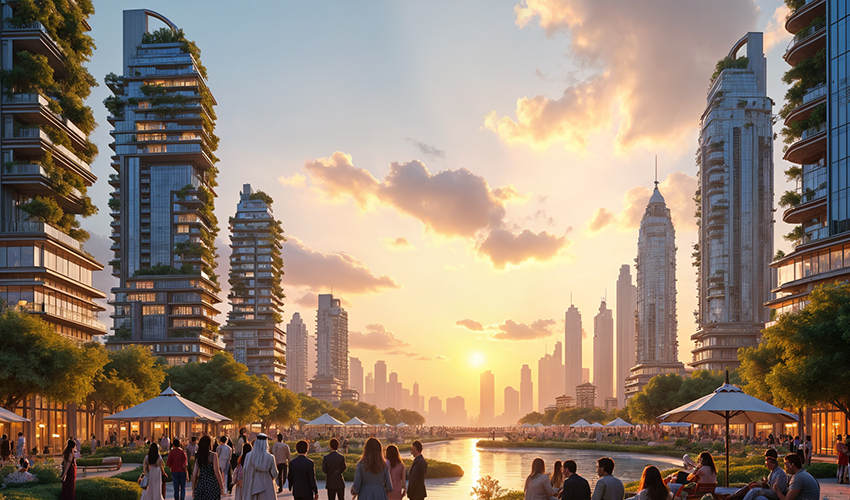
Demand for eco-friendly living has reached the luxury market, with properties adding green features to a high-end specification.
- Eco-Friendly Luxury: Developers are designing luxury apartments in Dubai with sustainable features like energy-efficient systems, solar panels, and green rooftops.
- Spotlight Project: Imperial Avenue Dubai by Shapoorji Pallonji Dubai is an example of this trend, combining sustainability with luxury design.
- Market Impact: Green-certified properties are becoming a top choice for environmentally conscious buyers, part of a broader rise of eco-friendly properties in Dubai.
2. Expatriate-Friendly Policies Fueling Investment Growth
Dubai’s government continues to attract expatriate investors with policies that encourage long-term residency and ownership.
- Visa Reforms: The Golden Visa and retirement visas are drawing more expatriates to buy apartments in Dubai. A property purchase of at least AED 2 million can qualify for the 10-year Golden Visa.
- FDI Growth: Foreign Direct Investment in Dubai’s property market has increased due to these reforms.
- Case Study: Expatriates investing in luxury developments like Imperial Avenue Dubai show the appeal of these policies.
3. Technological Advancements Reshaping Real Estate
Technology is changing how properties are bought, sold, and managed in Dubai.
- Blockchain Integration: Enhances transparency and efficiency in property transactions. Dubai was the first city in the Middle East to put title deeds on a blockchain.
- Virtual Tours: Buyers can explore properties remotely through VR and AR technologies.
- Smart Homes: Advanced developments feature smart home systems for energy management and convenience.
- AI and Big Data: Real estate developers in Dubai are using analytics to understand market trends and buyer preferences. Read more on the impact of artificial intelligence on Dubai's real estate.
4. Emergence of New Growth Hubs
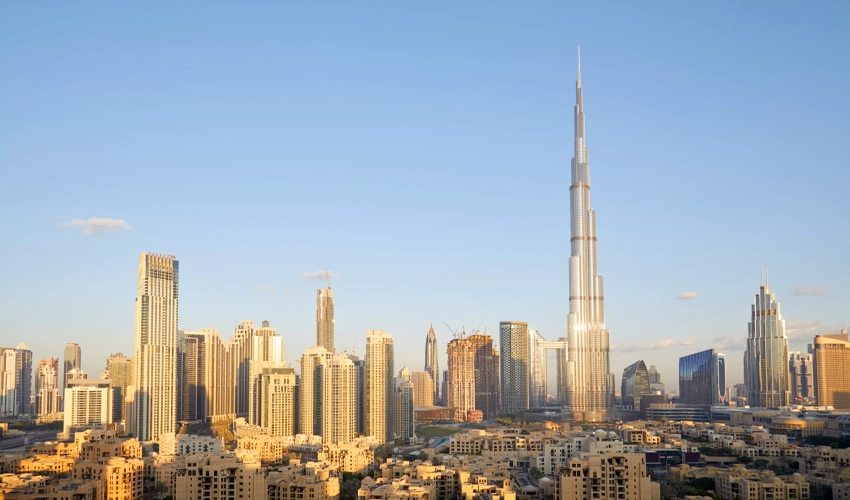
Established areas like Downtown Dubai remain popular, but new neighborhoods are drawing investors.
- Up-and-Coming Areas: Dubai South, Al Furjan, and Dubai Creek Harbour are gaining attention due to infrastructure projects.
- Infrastructure Boost: Connectivity via new metro lines and road expansions is driving growth, including the Dubai Metro Blue Line, targeted to open on 9 September 2029. See how Dubai's infrastructure projects benefit property investors.
- Investment Appeal: Emerging districts offer competitive pricing compared to established areas.
5. The Rise of Short-Term Rentals
Short-term rentals in Dubai are growing, driven by tourism and demand for flexible living options.
- Tourism Impact: Dubai’s status as a global tourist destination supports high demand for short-term rentals.
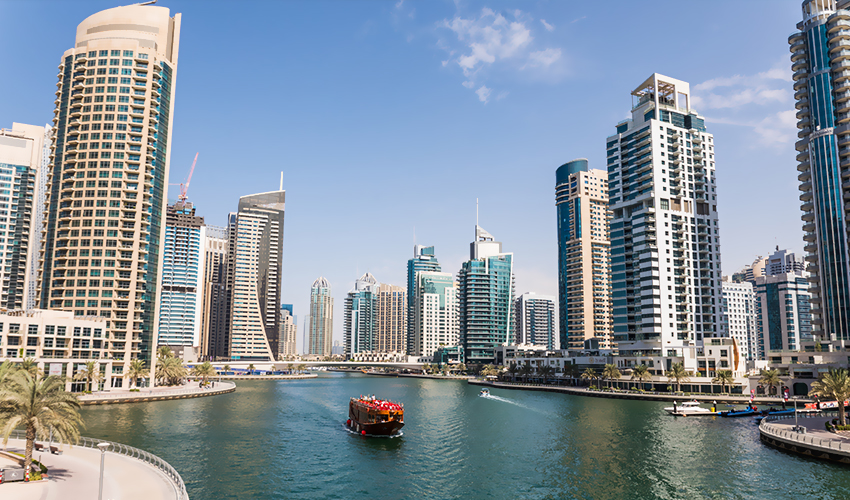
- High Returns: Investors in prime areas like Dubai Marina and Palm Jumeirah are seeing strong rental yields.
- Regulation: New regulations ensure quality and transparency for both hosts and renters. Hosts need a holiday home permit from the Department of Economy and Tourism (DET).
6. Market Resilience and Price Trends
Dubai’s real estate market has proven resilient, with a strong run of price gains across segments, even though 2026 has been softer.
- Current Trends: Prices are up roughly 65% over five years (Property Index), but 2026 has been softer. As of September, citywide prices are about 3 to 4% below a year earlier, after the sharper double-digit gains of the 2021 to 2023 run-up.
- Post-Pandemic Recovery: The market has exceeded pre-pandemic levels, driven by government support and strong investor confidence, and H1 2026 DLD data shows activity still high: AED 419.9 billion in registrations (sales, mortgages and gifts), about 3% below the first half of 2025 after a very strong first quarter and a weaker second.
- Projections: Forecasts for the next decade vary widely, so treat any single cumulative number with caution, while still-developing districts like Dubai South and the Business Bay canal extension are forecast to outpace the average at 8 to 12% annually.
7. Developer Innovations: Shaping the Future of Dubai Real Estate
Top developers are launching new kinds of projects and customer-focused strategies.
- Shapoorji Pallonji Dubai: Projects like Imperial Avenue Dubai combine innovation and luxury.
- Customer-Centric Approach: Developers are offering flexible payment plans and customizable interiors to meet buyer preferences.
- Future Developments: Sustainable and technologically advanced projects are raising what buyers expect.
Dubai’s Real Estate Market in Summary
Dubai’s real estate market has been defined by innovation, sustainability, and resilience. Strong long-run price growth, new technology, and expatriate-friendly policies keep it on investors’ radar, even in a softer 2026. If you are buying a luxury apartment in Dubai or looking at leading real estate developers Dubai like Shapoorji Pallonji Dubai, compare your options carefully before you commit.