Indian nationals have held the top spot among foreign buyers in Dubai for six consecutive years, accounting for roughly 22% of international real estate purchases in 2025, well ahead of other fast-growing buyer groups such as Russian buyers. Many are affluent investors adding luxury property to their portfolios, drawn by Dubai’s safety, amenities and tax treatment. This article covers what is driving the purchases, the areas Indian buyers favour, and how Dubai’s luxury market compares with India’s. For the broader picture of what draws this group, see our look at why Indians are interested in Dubai real estate. It's one of several shifts in who is buying in Dubai, alongside the rising share of women investors entering the market.
Key Factors Driving Indian Investment in Dubai’s Luxury Market
Tax is one of the biggest drivers. Dubai’s tax policies save property owners money on income tax and capital gains tax, which compares well with the more complex tax rules in India. Location helps too: Dubai offers global connectivity and modern infrastructure, so buyers get both luxury and easy access in one city.
Returns matter just as much. Property values in Dubai have grown steadily, and luxury homes there tend to come with contemporary design, premium locations and private amenities. The government also encourages foreign investment through long-term visas, which is one more reason Indians choose to invest in Dubai property.
Popular Locations for Indian Buyers in Dubai
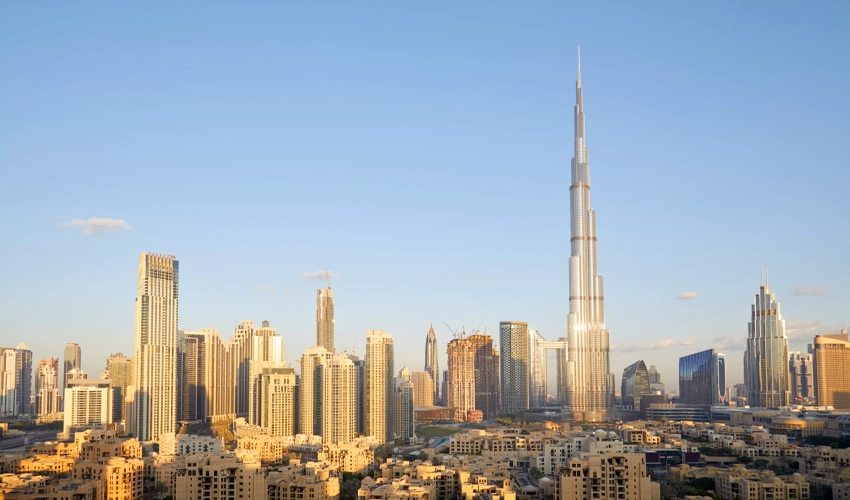
Indian investors tend to look at high-end neighborhoods known for privacy and quality of life. Some of the best places to live in Dubai for this group are Palm Jumeirah, Downtown Dubai and Emirates Hills, all close to landmarks such as the Burj Khalifa and the Dubai Mall. For example, luxury apartments in Dubai in Downtown Dubai look onto the Burj Khalifa and sit within easy reach of the Dubai Mall, which many Indian buyers value.
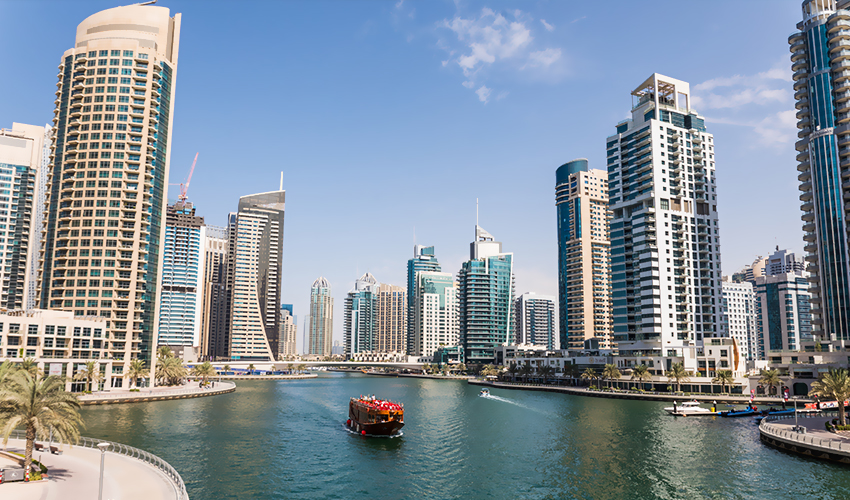
Palm Jumeirah is another favorite, with private beach access, high-end restaurants and resort-style living, and a mix of villas and apartments. Jumeirah Beach Residence (JBR) suits buyers who want direct beach access and plenty of cafes and shops nearby. Together these areas show what Indian buyers look for: quality, lifestyle and long-term value.
Comparison: Investing in Luxury Properties in India vs. Dubai
India’s luxury market is concentrated in cities like Mumbai, Delhi and Bangalore. Property prices there are high but do not always deliver the same return on investment, because of fluctuating property regulations and the ongoing issue of over-regulation. Dubai offers a simpler buying process, higher rental yields and better infrastructure.
Dubai Investment Properties also tend to appreciate faster, thanks to a stable economy and active government measures that support the real estate sector. The UAE’s foreign-investor-friendly policies are an advantage the Indian luxury market may not match to the same extent. The purchase and investment process in Dubai is relatively straightforward, which makes it easier for Indians to navigate.
The Growing Influence of Indian Investors on Dubai’s Luxury Real Estate
Indian investors now have a real say in what gets built. Many Dubai developers tailor their offerings to this group, from custom-designed homes to community amenities that match Indian tastes and expectations. Indian buyers also bring cultural preferences of their own, such as demand for larger properties that accommodate multigenerational living and ample private space.
Indian buyers are especially influential in off-plan projects, where they can secure high-value assets at a lower entry cost. Developers have noticed and treat this group as essential to the luxury property market. The inflow of Indian capital underlines Dubai’s standing as a global investment destination.
Future Trends and Outlook for Indian Investors in Dubai
Buyers should enter with current facts. A regional conflict involving Iran began on 28 February 2026 and affected the UAE, and Dubai prices have since eased: ValuStrat’s August index shows residential values 3.1% lower than a year earlier and about 10% below late February. A ceasefire was announced on 8 April, though the wider situation has stayed uncertain. The case for Dubai rests on a multi-year view, and 2026 is a reminder to buy with that horizon.
The outlook for Indian investors remains positive over that longer view. The UAE government has introduced a series of visa reforms that let property investors obtain long-term residence visas through the Golden Visa, which has drawn further interest from Indian buyers. Future trends point to a continued focus on luxury properties with advanced sustainability features, which are likely to attract environmentally conscious investors.
Dubai is also putting more weight on digital services and smart infrastructure, and properties in tech-enabled areas are expected to gain value, drawing more interest from Indian investors looking to invest in Dubai property. As Dubai’s luxury market aligns more closely with global trends, Indian investors are expected to keep playing a central role in the city’s aim of becoming a leading luxury real estate hub.
Conclusion
The rise of Indian investors in Dubai’s luxury property market is a new wave of global real estate interest, though one now meeting a softer market. As Indian buyers look beyond traditional markets, Dubai offers luxury, lifestyle and investment potential in one place. Strategic locations, favorable tax policies and streamlined property laws give Dubai Investment Properties real options for Indian investors seeking growth and value. Indian investors are shaping their own portfolios and also influencing the future of Dubai real estate. This is part of why Dubai remains a top destination for high earners across the globe.