Dubai began as a fishing town in the desert. It is now one of the leading business hubs of the Arab world. Abu Dhabi may be richer, but Dubai still leads on "free market capitalism."
To put it in perspective, oil now accounts for less than 5% of Dubai’s GDP. Business, real estate and tourism drive its growth. The sections below cover what put Dubai at the top.
Free zones
Free zones are the main reason foreign companies set up in Dubai. They offer foreign investors 100% ownership, tax exemptions, customs duty benefits and streamlined setup. More than 25 free zones serve different industries.
The best known is the Dubai International Financial Centre (DIFC). International banks, financial institutions and professional service firms operate there under a legal framework based on English common law, close to major business centres.
Jebel Ali Free Zone (JAFZA) focuses on manufacturing, logistics and trading. It offers warehouses, office spaces and custom-built units, and it sits near one of the largest ports in the Middle East. That suits companies that run import-export operations.
Dubai Silicon Oasis (DSO) is a technology park for IT companies and startups, with support services built for tech ventures. Its tenants work in artificial intelligence, robotics, blockchain and related fields.
Simplified regulations and procedures keep the paperwork light, which is why entrepreneurs from many countries come here. That same investor-friendly approach shapes the city's work culture and employment policies, which is worth understanding before relocating a team here.
Oil for Successful businesses and not for survival
Dubai grew from a modest fishing village into a large commercial city. Oil helped its early development, but it did not make Dubai a business hub. Instead of relying on oil revenue for survival, the city used it to build businesses.
Its leaders saw that diversification was the key to long-term economic stability. Relying on oil alone would leave the city exposed to fluctuating global markets and diminishing reserves. So they developed other sectors: real estate, tourism, finance and trade.
They invested heavily in infrastructure and built an investor-friendly environment through free zones and tax incentives. Free zones let companies operate with 100% ownership and gave them benefits such as zero personal income tax and a 0% corporate tax rate on qualifying free zone income.
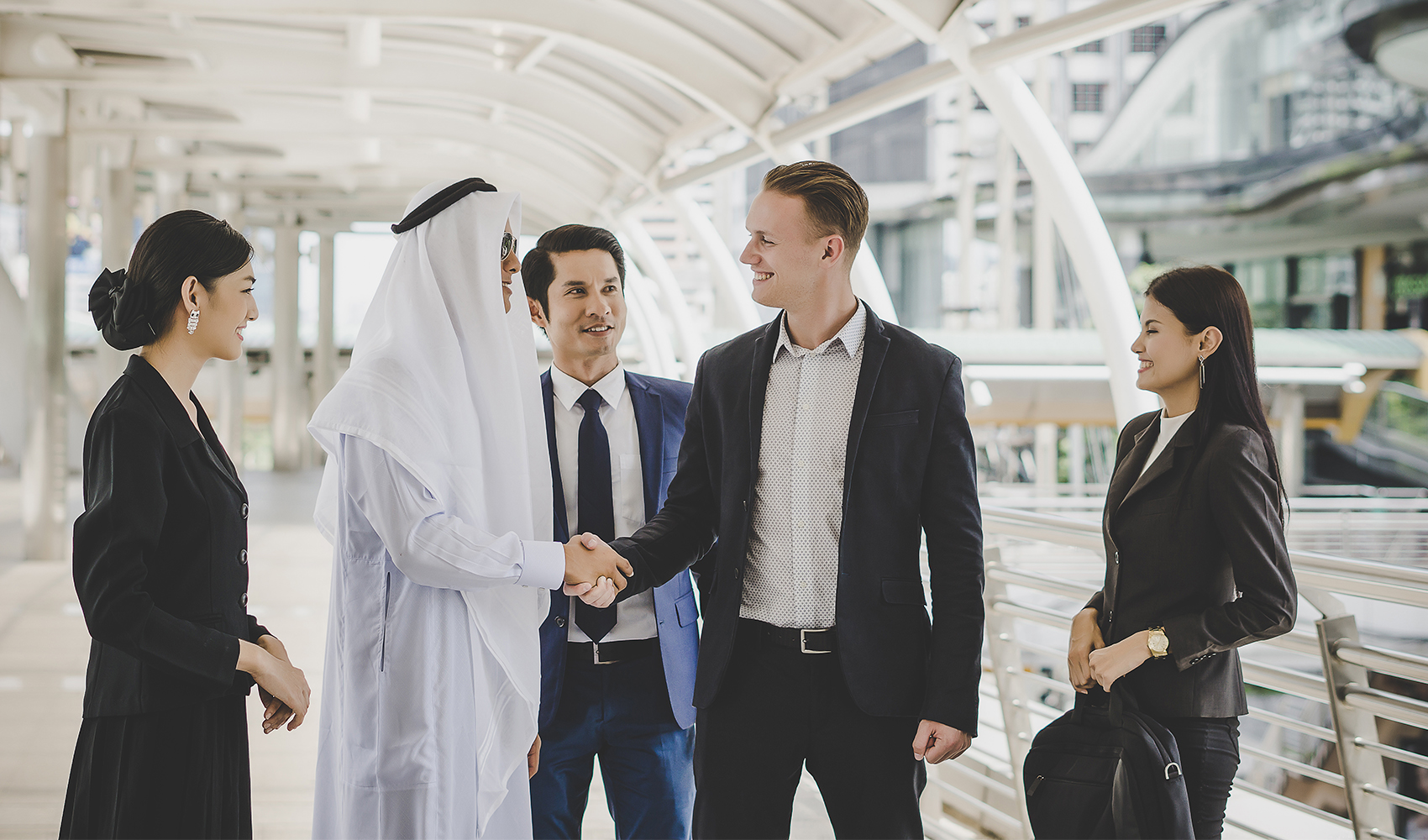
International corporations responded by setting up their regional headquarters in Dubai. Today, towers on the skyline house multinational companies from many industries.
Location helped too. Dubai sits at the crossroads between East and West, which made it a natural trading hub. Its modern ports and airports move goods and people between continents.
Oil gave the first push. It is no longer what keeps Dubai going. It now fuels business instead. That diversification has made the city resilient against volatile energy markets and moved it towards becoming one of the leading cities for commerce and investment, a trajectory we unpack further in our look at Dubai's path to becoming one of the world's wealthiest cities by 2030.
Tourism as a pillar
Dubai's economy and free zone model are only part of how it became the number one business city in the Arab world. Tourism is the other pillar.
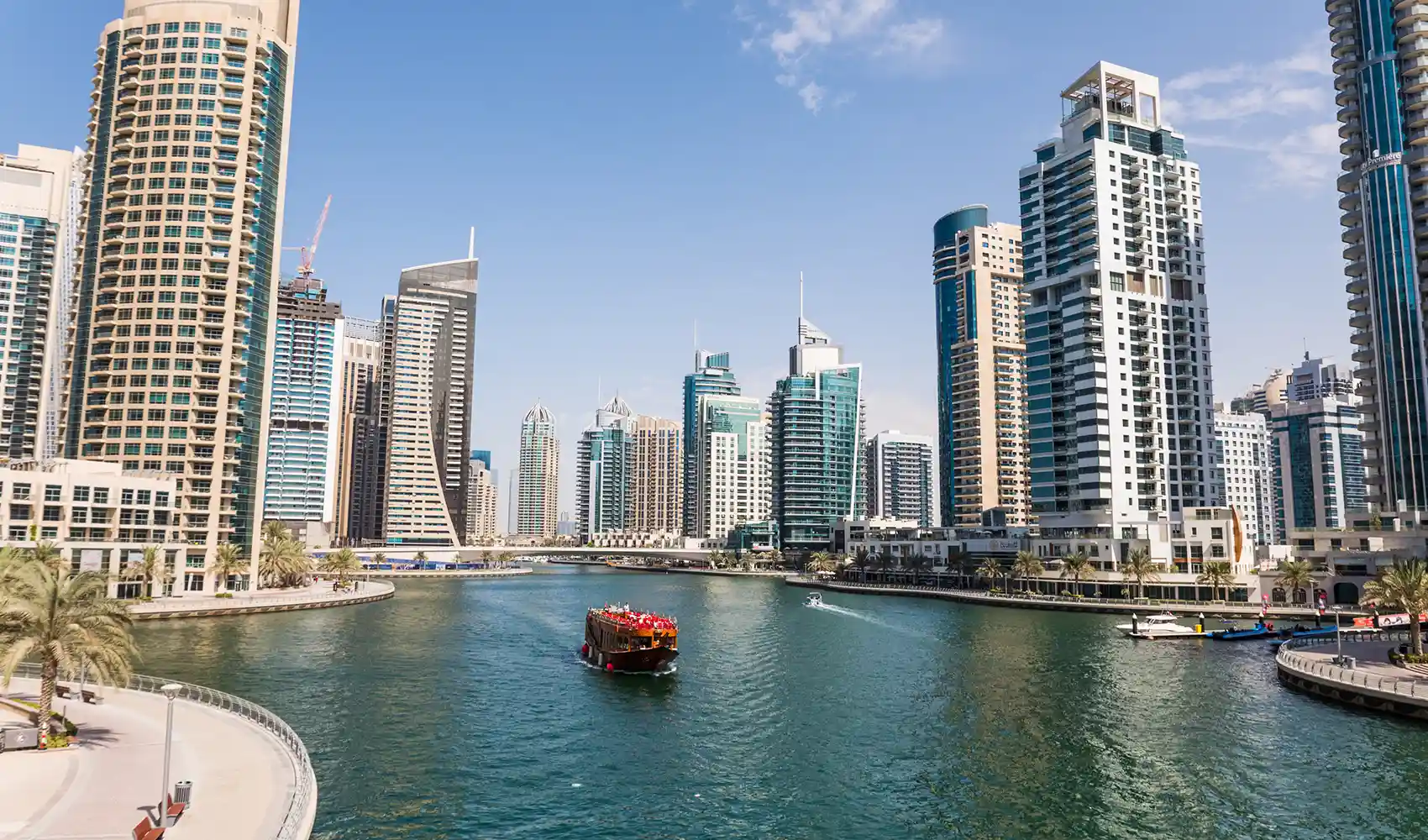
Millions of visitors come each year for the architecture, hotels, beaches and nightlife, and for a mix of traditional Arabian culture and modern city life.
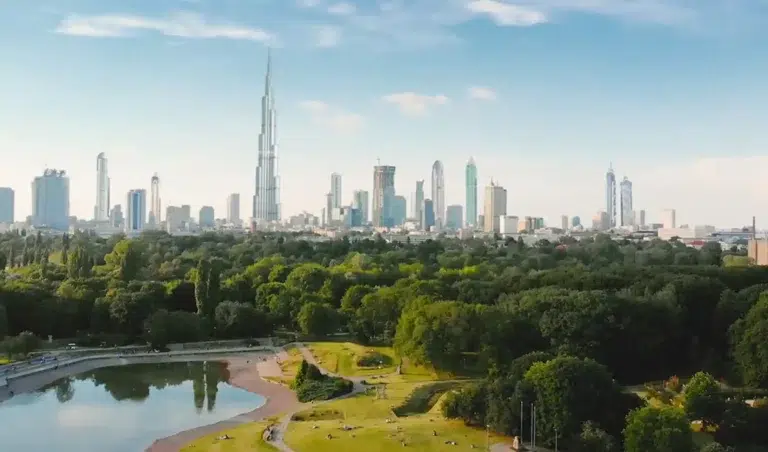
Beyond the attractions, the city's top luxury hotels are themselves part of the draw. The biggest single attraction is the Burj Khalifa, the tallest building in the world. Visitors can take in the view from its observation decks, eat at its restaurants and shop at its base.
Palm Jumeirah is an artificial island shaped like a palm tree, with resorts and water parks. The Dubai Mall is one of the largest shopping malls globally, with high-end brands, an indoor aquarium and an ice rink.
The city also hosts international events through the year. They range from sporting fixtures such as the Dubai Tennis Championships and the DP World Tour Championship to cultural festivals celebrating art, music and cuisine.
The government has pushed tourism hard. It has introduced visa reforms that make visiting easier and security measures that keep visitors safe. Dubai is now a favoured destination for leisure travellers and business professionals alike.
Tourism is also a major employer, in hospitality and in related sectors such as retail, transport and food.
Real estate
Real estate has been central to Dubai's rise as a business hub, supported by infrastructure projects that keep lifting property investors' returns. Planning by the city's leadership has produced many residential projects, including luxury ones.
The best real estate developers in Dubai build homes with a full range of amenities and facilities. They design for what modern buyers now expect from comfortable living.
Shapoorji Properties
Shapoorji Properties has a legacy of more than 150 years and brings its expertise from India to Dubai. Its residential projects in Dubai are built to combine aesthetics with functionality.
Shapoorji Properties offers apartments with views of Burj Khalifa and sprawling villas set among generous amenities. Each project is designed around the preferences and requirements of its buyers.
We create communities, not projects. Infinity pools, fitness centres, landscaped gardens, play areas for children and large community spaces give residents places to meet.
The developments are also close to key business districts, educational institutions, healthcare facilities, shopping malls, restaurants and entertainment venues. Residents can reach essential services without travelling far from home.
Buyers looking for a home or a rewarding investment can start with projects like Imperial Avenue Downtown Dubai by Shapoorji Properties.