
Dubai’s growing economy and strategic location have drawn professionals from around the world. If you are considering a career here, you need to understand the work environment, labor laws and expatriate policies.
Introduction to Dubai’s Work Environment
Work culture in Dubai mixes traditional and modern practices. The business environment is fast-paced and puts a strong emphasis on innovation, and the city attracts global talent across many sectors, one of the reasons Dubai is the number one city in the Arab world for business. Multinational corporations and major local firms are based here, which makes it one of the best places to work in Dubai. The multicultural workforce exposes employees to diverse perspectives and practices, and that supports collaboration. The city’s infrastructure and amenities also make daily working life easier, which is why many professionals prefer it.
Labor Laws and Employee Rights
Dubai’s labor laws are designed to protect employee rights and ensure fair treatment. The UAE Labor Law (Federal Decree-Law No. 33 of 2021) governs employment relations, covering working hours, leave entitlements, termination procedures and end-of-service benefits. See our roundup of the latest UAE labour law updates for 2025. Anyone planning to work in Dubai should know these rules.
Key Aspects of UAE Labor Law
- Working Hours: The standard working hours are eight hours per day or 48 hours per week. During Ramadan, working hours are reduced by two hours daily.
- Leave Entitlements: Employees are entitled to annual leave, sick leave, maternity leave, and other forms of leave as per the law. Annual leave is at least 30 days for each year of service.
- Termination Procedures: The law sets out termination processes, including compensation and notice. Probation cannot exceed six months, and once it ends, notice periods run from 30 to 90 days.
- End-of-Service Benefits: Employees are entitled to gratuity pay upon the end of their service, calculated based on their length of employment.
Expatriate Work Permits and Visa Regulations
A Dubai work visa is the first step for expatriates. It starts with a job offer from a UAE-based employer, who then sponsors the visa application. Several types of work permit exist for different kinds of work, and each lets expatriates live and work in the city legally. Our complete guide to Dubai visa types covers each option in detail. For newcomers specifically, our practical relocation tips for Indians moving to Dubai pairs well with this guide.
Visa and Work Permit Process
- Sponsorship: An employer in Dubai must sponsor the visa application for expatriates.
- Medical Examination: A medical test is required to confirm the health of the applicant.
- Residence Visa: Once the work visa is approved, a residence visa is issued, allowing the expatriate to stay in Dubai.
- Labor Card: The labor card or work permit is issued by the Ministry of Human Resources and Emiratisation (MOHRE), authorizing the individual to work in Dubai.
FAQs
What is the working culture like in Dubai?
The working culture in Dubai combines high professional standards with a multicultural environment, and it puts a strong focus on productivity and innovation.
What is the work policy in Dubai?
Work policies in Dubai are governed by the UAE Labor Law, which includes regulations on working hours, leave, employee rights, and termination procedures.
Which things do you think a professional would find most attractive about working in the UAE?
Professionals are drawn to the UAE for its tax-free income, high quality of life, diverse work environment, and opportunities for career growth in some of the best companies to work for in Dubai.
What is the terrain of the UAE like?
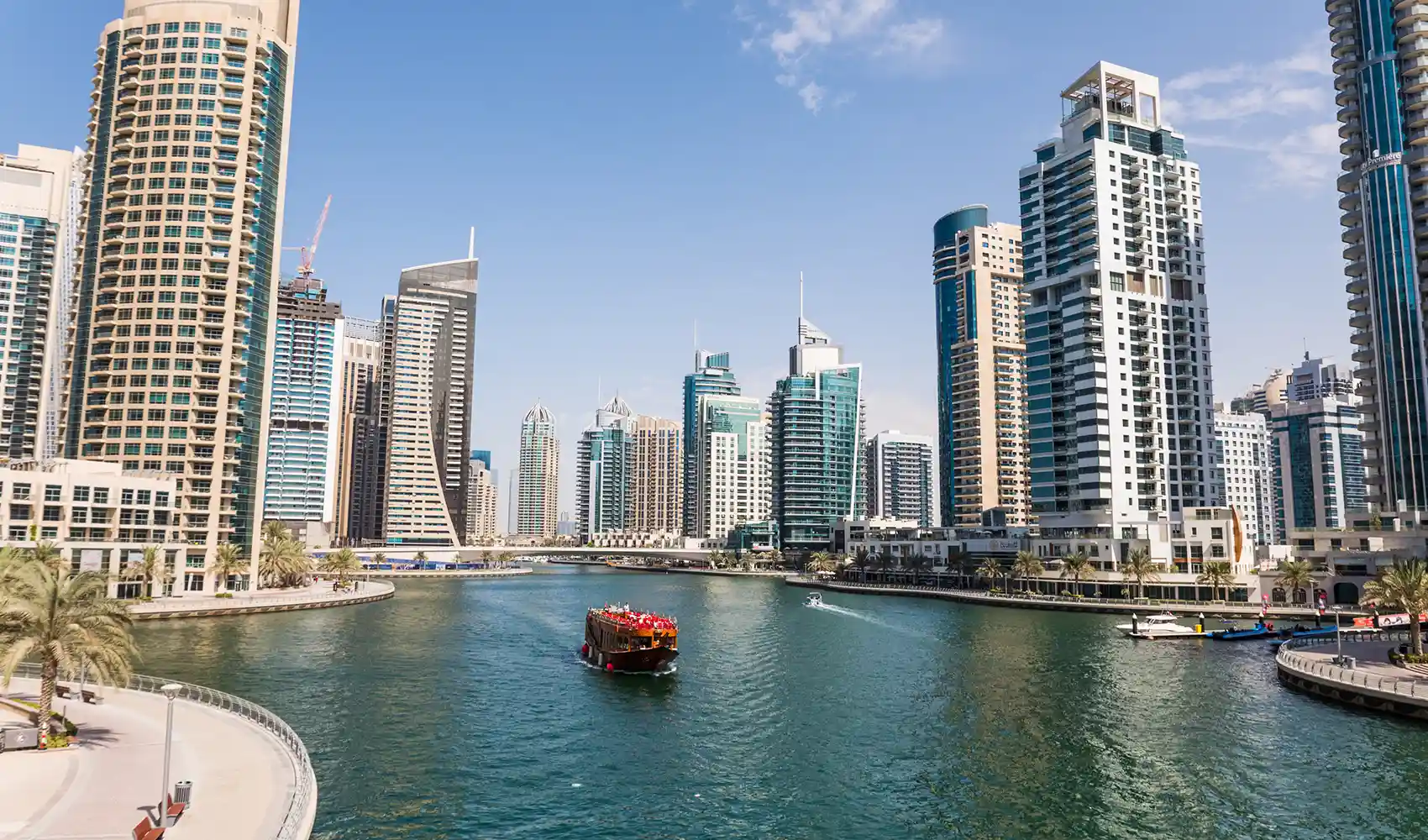
The UAE’s terrain is a mix of modern urban centers like Dubai, with its skyscrapers and busy business districts, and vast deserts, which contrast sharply with city life.
Conclusion
Dubai offers professionals room for career advancement and personal growth. Its labor laws cover hours, leave, termination and end-of-service pay, and its visa policies give expatriates a clear route to legal work. Major developments in sectors like Dubai Real Estate add to the city’s appeal, and companies such as Shapoorji Pallonji Dubai help make it one of the best places to work in Dubai.