

Home loan interest rates in Dubai start at about 3.75% for a one year fixed deal and run to around 5% for the longest fixes, depending on the bank, term and your profile. Variable loans are priced at EIBOR plus a margin, roughly 5% to 5.8% today. The UAE Central Bank base rate rose to 3.9% on 17 September 2026. Which suits you depends on how long you will hold and how much risk you can carry.
Current Home Loan Interest Rates in Dubai (October 2026)
| Fixed period | Indicative rate range |
| 1 year fixed | 3.75% to 4.89% |
| 2 year fixed | 3.89% to 4.49% |
| 3 year fixed | 3.95% to 4.39% |
| 5 year fixed | 4.19% to 5.05% |
| After the fixed period (variable) | EIBOR plus about 1% to 2%, roughly 5% to 5.8% at today's EIBOR |
These are indicative rates for salary-transfer borrowers, compiled from bank rate tables by MortgEase and updated on 5 October 2026. Khaleej Times reported similar fixed pricing in July 2026, with one year fixes from about 3.75%, below many variable benchmarks. Self-employed borrowers and those who do not transfer their salary pay more. Banks reprice often, so confirm the rate, fixed period and reversion margin in the Key Facts Statement.
The gap shows up in the monthly payment. A AED 1.2 million loan over 25 years costs about AED 6,270 a month at 3.9% and about AED 7,370 at 5.5%. The Central Bank's 80% loan limit for a resident expat's first home up to AED 5 million makes that a AED 1.5 million flat. Non-residents can typically borrow only up to 50%, as our guide to buying Dubai property from abroad explains. Try your own numbers in our mortgage calculator.
Why Mortgage Type Matters in Dubai's Real Estate Market
Buying property in Dubai isn't just about location and price. It's also about choosing the right financing. With mortgage rates shaping affordability and ROI, understanding the difference between fixed and variable mortgages matters for expats and investors. As Dubai's property market continues to mature in 2026, this decision could still save (or cost) you thousands of dirhams over the life of a loan.
What is a Fixed-Rate Mortgage in Dubai?
A fixed-rate mortgage locks in your interest rate for a set period, usually 1 to 5 years at Dubai banks, before reverting to a variable rate for the remainder of the term.
Benefits of Fixed Mortgages in Dubai:
- Predictability: Monthly payments remain unchanged.
- Budgeting ease: Ideal for families or long-term residents.
- Protection: Shields against rising interest rates.
Fixed rates are particularly attractive for buyers investing in family homes, luxury properties, or long-term stays.
What is a Variable-Rate Mortgage in Dubai?
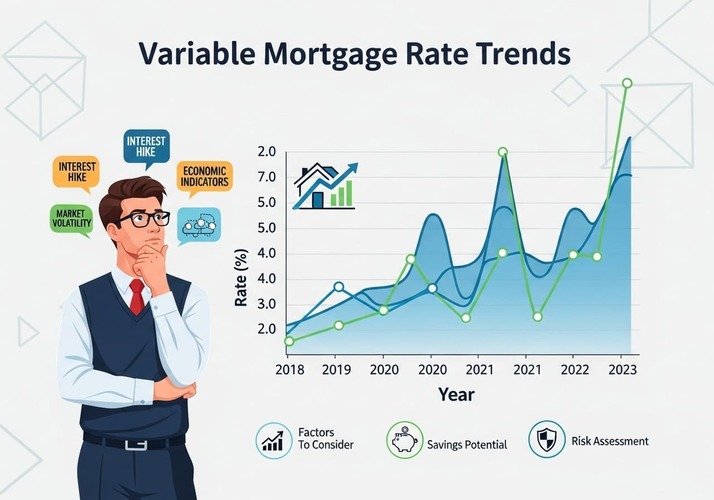
A variable-rate mortgage (also known as floating rate) changes with the EIBOR (Emirates Interbank Offered Rate) or bank-set benchmarks, usually reset quarterly.
Benefits:
- Payments fall if EIBOR falls.
- No fixed period to be tied into. Check the early settlement terms in the bank's Key Facts Statement.
Risks:
- Payments can rise if rates increase.
- Harder to plan long-term budgets.
Variable rates are often chosen by short-term investors or buyers planning to sell before the rate cycle turns.
Fixed vs Variable Mortgage Comparison (Dubai 2026)
| Feature | Fixed-Rate Mortgage | Variable-Rate Mortgage |
| Monthly Payments | Stable & predictable | Fluctuate with interest rates |
| Best For | Long-term residents, families | Investors, short-term buyers |
| Risk | Low | Moderate to High |
| Initial Cost | Lower in 2026 (about 3.75% to 5%) | Higher at today's EIBOR (about 5% to 5.8%) |
| ROI Impact | Safe but limited upside | Potentially higher if rates fall |
Which Mortgage Works Best in Dubai's 2026 Market?
Dubai's real estate market in 2026 continues to be shaped by steady economic growth, stable regulations, and sustained investor confidence.
- Interest Rate Trends: The UAE Central Bank's base rate (which moves in lockstep with the US Federal Reserve because of the dirham's dollar peg) settled at 3.65% after a series of cuts through late 2025, and held there through most of 2026. On 17 September 2026 it rose by 25 basis points to 3.9%, following the US Federal Reserve's first rate hike since 2023, so the easing cycle has paused. Mortgage pricing is still below its 2023 to 2024 highs, though rates remain well above the ultra-low levels seen before the global rate-hiking cycle. Fixed deals currently price below variable ones, but only for the fixed period.
- Inflation Considerations: UAE inflation has stayed comparatively low, which has helped keep mortgage costs more predictable than in many other markets.
- Investor Goals:
- Buy-to-rent investors who favour variable rates should now budget for further increases rather than count on easing.
- Long-term homeowners often prefer fixed rates for peace of mind, especially with fixed pricing now more competitive than during the peak-rate years.
What Happens When the Fixed Period Ends
After the fixed period the loan reverts to EIBOR plus the bank's margin, which sits at about 1% to 2% across the major lenders. With EIBOR near 4%, a loan fixed at 3.99% would revert to roughly 5.5% at a bank charging a 1.5% margin. On a AED 1.2 million loan over 25 years, that is the jump from about AED 6,330 to AED 7,370 a month.
Ask for the reversion margin and early settlement terms in writing. If you plan to refinance when the fixed period ends, our guide to transferring a mortgage in Dubai covers what that involves and what it costs.
Tips for Expats & Investors Choosing a Mortgage
1. Consider Your Investment Horizon
- Long-term stay → Fixed mortgage
- Short-term flip → Variable mortgage
2. Match Mortgage Type to Property
- Luxury or family villa → Fixed for stability
- Affordable apartment or off-plan → Variable for flexibility
3. Check UAE Interest Rate Environment
- If EIBOR is rising → Fixed is safer
- If stable or falling → Variable could save you money
4. Work with a Mortgage Broker
Mortgage brokers in Dubai can negotiate better rates, secure DLD fee waivers, and match financing to your needs.
Make the Right Mortgage Choice with Splendor

Choosing between a fixed vs variable mortgage in Dubai 2026 depends on your risk appetite, investment goals, and financial plan. Fixed rates offer peace of mind, while variable rates may boost returns for savvy investors if rates ease again.
For a family home or an investment flat, Splendor Real Estate connects you with trusted mortgage partners and Dubai brokers to secure the best deal, including Sharia-compliant Islamic mortgage options for buyers who prefer them. If financing decisions have you thinking longer-term, it's also worth reading about capital appreciation trends in Dubai real estate before you commit to a mortgage structure. First home? Start with our guide for first time buyers in Dubai, and see what a Dubai home loan costs each month beyond the rate. For a view on your own numbers, book a consultation with Splendor.
FAQs
1. What is the difference between fixed and variable mortgage rates in Dubai?
A fixed mortgage keeps the same interest rate throughout the initial term, offering stability in monthly payments. A variable mortgage fluctuates with the UAE's EIBOR (Emirates Interbank Offered Rate), meaning payments may rise or fall. Fixed is ideal for long-term residents seeking predictability, while variable suits investors who can manage short-term risk.
2. Are fixed mortgage rates better for expats in Dubai?
Fixed mortgage rates are often better for expats planning to live in Dubai long-term. They provide predictable monthly payments, protect against future rate hikes, and make budgeting easier. However, expats seeking short-term investments may prefer variable mortgages if UAE interest rates are expected to fall, as they can benefit from lower payments.
3. What are the risks of a variable mortgage in Dubai?
The main risks of a variable mortgage in Dubai include:
- Payments rising if UAE interest rates increase.
- Harder to predict long-term affordability.
- Potential strain on ROI for rental properties.
While variable loans may start cheaper, investors must be prepared for fluctuations.
4. What is the best mortgage type for investors in Dubai in 2026?
In 2026, fixed deals price below variable ones, so buy-to-rent investors who expect to sell or refinance within a few years get the cheaper rate by fixing. Those who want the freedom to settle early may accept a variable rate, but with the Central Bank having raised its base rate in September 2026 they should be ready for further increases. For family residences held long term, fixed mortgages remain the safer choice, offering stability in case rates move again.
5. What factors affect mortgage rates in Dubai?
Mortgage rates in Dubai depend on:
- EIBOR (Emirates Interbank Offered Rate)
- The UAE Central Bank's base rate, which tracks the US Federal Reserve via the dirham's dollar peg
- Loan amount & tenure
- Borrower's credit score and income stability: see our guide on how credit score affects buying property in Dubai
- Bank promotions and mortgage broker negotiations
Keeping a high credit score and comparing banks ensures better rates.
6. Can expats get fixed or variable mortgages in Dubai?
Yes, expats can apply for both fixed and variable mortgages in Dubai. Most banks offer financing to non-residents and UAE residents, provided they meet income requirements and credit checks. Expats often work with mortgage brokers in Dubai to find the best deals and benefit from promotional offers, such as lower fees or flexible repayment plans.
7. What is the average home loan interest rate in Dubai in 2026?
There is no single average, but fixed deals from major banks run from about 3.75% to 5%, with one to three year fixes mostly between 3.75% and 4.5% (bank rate tables, October 2026). Variable loans cost roughly 5% to 5.8% at today's EIBOR. Rates move with the UAE Central Bank's base rate, which tracks the US Federal Reserve because of the dirham's dollar peg. After a series of cuts through late 2025, that base rate held at 3.65% through most of 2026 before the Central Bank raised it by 25 basis points to 3.9% on 17 September 2026 (following a US Federal Reserve hike). Three-month EIBOR, the benchmark most variable mortgages are priced against, is running around 4%. The exact figure depends on the lender, loan term and your profile, so compare current offers with a broker.
8. Is it cheaper to choose a variable mortgage in Dubai?
Not at the start, in 2026. Banks currently price fixed deals at about 3.75% to 5%, while variable loans work out at roughly 5% to 5.8% because EIBOR sits around 4% and the margin goes on top. A variable loan only wins if EIBOR falls far enough to close that gap, and it costs more if EIBOR rises. Investors choosing variable rates should be financially flexible and ready for payment changes, while families may prefer the stability of fixed rates.
9. How do I decide between fixed and variable mortgages in Dubai?
To decide:
- If you plan to stay long-term → Choose fixed for stability.
- If you plan to sell or rent short-term → Variable may save costs.
- If UAE interest rates look set to rise → Fixed is safer.
- If rates may ease again → Variable offers potential savings.
Always consult a mortgage broker for tailored advice based on current bank offers.
10. Can a mortgage broker in Dubai help me choose fixed vs variable?
Yes, a mortgage broker in Dubai can compare banks, negotiate rates, and advise whether fixed or variable suits your needs. They assess your income, credit score, property type, and investment goals to recommend the most cost-effective option. Working with brokers can also help secure DLD fee waivers and exclusive promotions.
11. How does the UAE base rate affect my home loan in Dubai?
The base rate moves EIBOR, and EIBOR moves variable loans. If you are on a variable rate, the 25 basis point rise to 3.9% on 17 September 2026 feeds into your payment at the next rate review. If you are inside a fixed period, your rate does not change until the period ends, and the new base rate then shapes the rate you revert to.