
Renting in Dubai as an expat

If you are an expat planning a move, or already here and ready for a place of your own, you need to know how renting in Dubai works. Demand for rentals is high, driven largely by the number of expats the city attracts. Rentals include apartments and villas, on short-term and long-term leases.
The city offers stability, safety and diverse housing options for expats, families and professionals planning to stay long term.
This expat guide to Dubai rentals covers legal requirements such as Ejari Dubai, Dubai neighborhoods for expats, and budgeting beyond the monthly rent.

Dubai Rental Market 2026: What Expats Should Know

Dubai's rental market has kept climbing through 2026, though the pace varies sharply by area. Premium districts, Downtown, Dubai Marina, Palm Jumeirah, are holding firm or still rising as new supply lags demand, while more affordable communities like JVC have seen some softening as fresh stock comes online. A newer factor to watch is how NFTs and property tokenization are changing luxury real estate.
Know the average rent for the apartment type and area you want before you negotiate. Compare features, prices and amenities across listings on property portals before you decide.
For a 1 bedroom apartment in Dubai in Marina or a 2 bedroom flat in Dubai in Business Bay, the timing of your move can save you money and get you better value.
Popular Expat-Friendly Areas:
| Neighborhood | Avg Rent (1BR) | Avg Rent (2BR) |
|---|---|---|
| Dubai Marina | AED 85,000 to 150,000 | AED 140,000 to 200,000 |
| Downtown Dubai | AED 110,000 to 180,000 | AED 150,000 to 260,000 |
| JLT | AED 75,000 to 120,000 | AED 115,000 to 155,000 |
| Business Bay | AED 85,000 to 150,000 | AED 150,000 to 200,000 |
| Palm Jumeirah | AED 150,000 to 220,000 | AED 220,000 and up |
Figures reflect typical H1 2026 asking ranges and vary by building age, view, and finish. Always confirm current listings before budgeting.
Downtown Dubai is home to Dubai Opera, so residents have a cultural venue nearby.
International City is a multicultural neighborhood where the clusters are themed on different countries.
Tip: Work with a trusted real estate agency in Dubai or real estate brokers in Dubai to move through the market faster and negotiate better. Budget smarter before buying property. Demand for rental flats varies by district, so learn the one you are targeting.
Budget-Friendly Areas for Expats
Dubai has a reputation for expensive living, but several areas keep rent within reach. Jumeirah Village Circle (JVC), Dubai Silicon Oasis (DSO) and International City offer affordability without giving up amenities such as nurseries, schools, supermarkets and community parks. That suits families and professionals alike.
A property finder lets you filter listings by location, price, number of bedrooms and amenities, which makes comparison quick. Many apartments in JVC, DSO and International City are available for long-term rental. The average annual rent for a 2-bedroom apartment in JVC runs around AED 110,000 to 140,000 as of 2026, still well below equivalent units in Marina or Downtown. Easy access to downtown Dubai and other popular districts adds to the appeal.
Both furnished and unfurnished apartments are available. Most buildings have swimming pools, gyms and secure parking, and public transport connects the areas well, which keeps commuting simple.
Before you agree to a rental contract, check the lease length, the annual rent and any extra costs such as VAT or service charges. Know your rights as a tenant, especially in a market where demand can sometimes lead to a shortage of affordable properties. If you are thinking about buying a property in Dubai, these areas are worth a look too, as reputable developers often offer deals to buyers.
Using a Property Finder
Dubai has a large number of apartments and villas for rent or purchase, and a property finder narrows them down. You can filter by location, budget, apartment size and amenities. Listings come with detailed descriptions, images and virtual tours, so you can explore your options from anywhere, at any time.
For buyers and renters alike, a property finder means less scrolling and more time on the apartments that match your criteria. It works for renting a studio or buying a family apartment, and it helps you make informed decisions and find the right home in Dubai.
Know the Law: Dubai Tenancy Basics for Expats
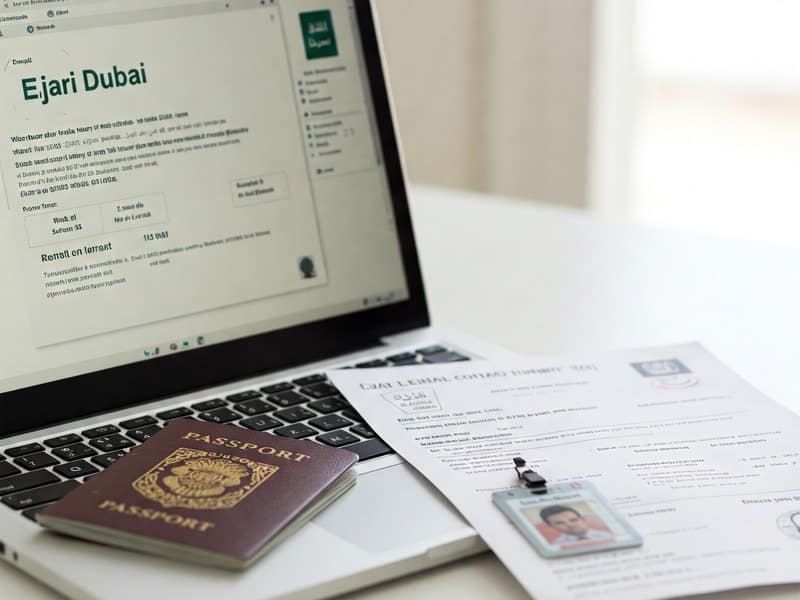
The tenancy contract is the core document. It formalizes the rental agreement and protects both parties, provided it is registered, for example through the Ejari system. The Real Estate Regulatory Authority oversees rental regulations in Dubai and protects the rights of tenants and landlords alike.
Tenancy Contract + Ejari = Legal Safety
Your lease is your legal protection. Before registering with Ejari, both parties must agree on all key rental terms: the rental price, the contract duration, and conditions such as security deposits or pet policies. Make sure every agreed detail is accurately reflected in the contract before you finalize the lease. Every lease must be registered via Ejari Dubai, an online system that validates your rental agreement.
Ejari Registration is required for:
- Setting up DEWA (electricity & water)
- Visa applications
- Resolving disputes legally
Always ensure your real estate broker in Dubai helps you register through Ejari.
Security Deposit: What You Need to Know
A security deposit is standard. It covers damage and keeps the property looked after. It is typically 5% of the annual rent for an unfurnished apartment and 10% for a furnished apartment, and it is refundable when you move out, provided the property is in good condition. Read the deposit terms and document the property’s condition before you move in. Photos and a note of any existing damage help you get your full deposit back.
Choosing the Right Dubai Neighborhood as an Expat
Match the community to your lifestyle, preferences and budget:
For Families:
- Al Barsha, Mirdif, Arabian Ranches: Schools, parks and calm communities, plus a range of nurseries and early childhood education options for families with young children.
For Working Professionals:
Dubai Marina, Downtown, Business Bay: Easy access to offices and lifestyle hubs.
For Public Transport Fans:
Near Dubai Metro stations, e.g., Burj Khalifa/Dubai Mall, Dubai Internet City, or for a fun day out, check out Dubai’s top theme parks in 2025
Proximity to metro = shorter commutes, better rental value, and higher convenience. Being close to shops and other amenities helps too, especially for expats.
Types of Apartments: Finding Your Fit
Apartment types include studio, 1-bedroom, duplex and penthouse, up to 5-bedroom luxury residences. Some are professionally managed, with regular maintenance and security. Apartments can be furnished or unfurnished, and many buildings offer extras like a balcony, gym or swimming pool. Certain apartments are ‘chiller free’, meaning the landlord covers air conditioning costs, which can significantly reduce your living expenses. Weigh location, property size, type and amenities. Families may prefer Jumeirah Beach Residence or Dubai Marina, which offer a variety of amenities and activities for all ages. Palm Jumeirah is known for resort style living, with luxury beachfront properties and exclusive amenities. Young professionals might lean towards Downtown Dubai or Dubai Silicon Oasis, which have easy access to public transportation and nightlife.
Fully Furnished Apartments: Pros and Cons
A fully furnished apartment lets you move in quickly without buying appliances and furniture. They are readily available in Dubai, usually come with everything from a sofa to a fridge, and may include a gym or swimming pool. The trade-offs: they may cost more than unfurnished ones, you have limited flexibility to customize the space, and the quality and condition of the furniture and appliances may vary, so inspect the property carefully before signing the contract. They are popular among expats and short-term renters who want a hassle-free move.
Short Term Rentals: Flexible Living for Expats
Short term rentals suit expats seeking flexibility and convenience as they settle into the city: people relocating, adjusting to a new job, or exploring different neighborhoods before committing to a long term lease. Compared with hotels, they often provide more space and greater privacy, and can cost less for extended stays. Options run from modern studios to luxury apartments in areas like Downtown and Jumeirah Beach Residence.
Many come fully furnished and equipped, so you can move in straight away. Budgets range from a small apartment to a high-end, serviced residence.
Long Term Rentals for Expats
For expats who plan to settle in Dubai, a long term rental is the stable, cost-effective choice. Long term apartments range from high end buildings with resort style facilities to budget-friendly options in lively communities, and they suit a single professional, a couple or a small family.
You can take a furnished apartment, with appliances and essentials already in place, or an unfurnished one if you prefer to bring your own style or are shipping furniture from abroad. Many buildings in Dubai Marina, JLT and Bur Dubai offer chiller free options, which cut utility costs.
Filter listings by area, type and facilities. High demand areas such as Azizi Riviera, Bluewaters Residences and Dubai Creek Harbour are known for their views and for access to supermarkets and daily amenities. For a family-friendly environment, Jumeirah Village Circle and Silicon Gates offer easy access to schools, parks and public transport. Palm Jumeirah and Dubai Marina remain favorites for luxury living with more privacy and extensive facilities.
Securing a long term rental is straightforward if you are prepared. You’ll typically need a passport copy, residence visa and sometimes proof of income. Depending on the apartment type and location, a security deposit, usually 5-10% of the annual rent, is required, along with post-dated cheques for rent payments. Fewer cheques are often needed for longer leases, which helps with cash flow. Check the duration, the penalties for early termination, and what’s included in your rent (such as chiller or parking).
Ejari registration secures your rights as a tenant and is essential for obtaining or renewing your residence visa. Before signing, make sure you understand your responsibilities regarding maintenance, utilities and internet access. A trusted real estate agent can help you filter listings and negotiate terms.
Luxury Living: High End Addresses
The high end market runs from the towers of Downtown Dubai to the estates of Emirates Hills. Luxury apartments typically have spacious layouts, dining areas, and amenities such as private gyms, swimming pools, and in-house art galleries.
For buyers and renters, popular buildings offer 2 bedroom apartments with full amenities, while larger properties give families, or people who like to entertain, more privacy and space.
Budget Beyond Rent: The True Cost of Renting in Dubai
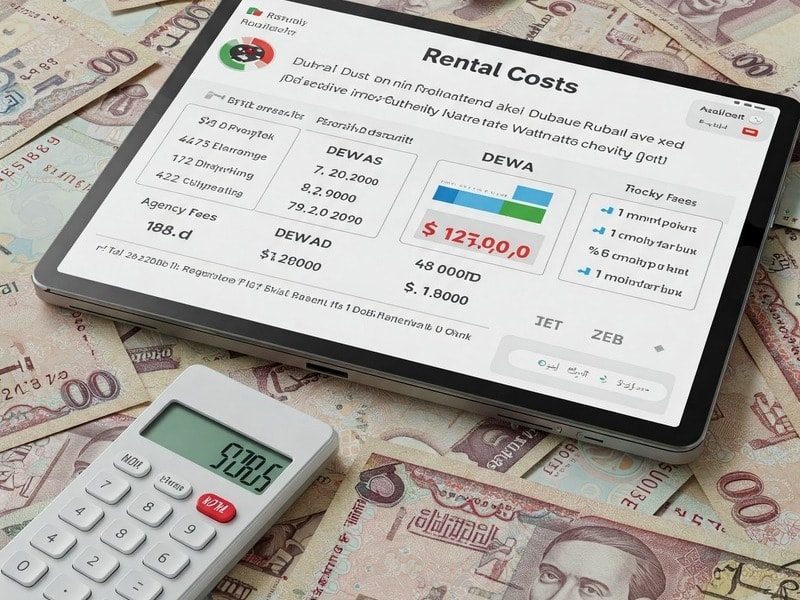
Budget for more than the monthly rent: utilities, agency fees and deposits all add up. Rents vary significantly by area and apartment type, so compare options carefully. There is no income tax in the UAE, but VAT applies and belongs in your overall budget.
| Cost | Typical Range |
|---|---|
| Security Deposit | 5 to 10% of annual rent |
| Agency Commission | 5% of annual rent |
| Ejari Fee | AED 178 to 220 |
| DEWA Setup Fee | AED 2,000 deposit + usage |
| Chiller Charges | Varies by building |
| Internet/TV | AED 300 to 500/month |
| Home Insurance (optional) | AED 250/year |
Tip: Ask your real estate agency in Dubai whether chiller and parking are included in the rent. It’s also worth reading up on home insurance in Dubai. The AED 250/year line item above can save you a lot more than that if something goes wrong.
DEWA Connection and Utility Bills: Setting Up Your Home
Electricity and water come from the Dubai Electricity & Water Authority (DEWA). Tenants can apply for a connection online or through the DEWA office. You’ll need your Emirates ID, passport copy, and a copy of the tenancy contract. Once the connection is established, you will receive your utility bills, which can be paid online or through various payment channels. Learn the billing cycle and payment terms to avoid late payment fees. DEWA offers a range of payment plans and options.
Step-by-Step Guide to Renting as an Expat
People choose different types of rental in Dubai for cost savings, flexibility or stability, depending on their circumstances.
- Set a Budget & Define Preferences (furnishing, size, area, and lease length; consider how lease duration affects flexibility and pricing)
- Search Listings via portals or with a real estate broker in Dubai
- Schedule a Viewing with a real estate agent to inspect apartments in person. Compare prices, building condition, and amenities. Your legal status, residency plans or personal circumstances can tip the choice between a short-term and a long-term rental, especially if your travel plans may change.
- Negotiate rent, number of cheques (1 to 4 is common), and terms. Some rental agreements change with work or travel plans, so ask about property details, lease terms, and all costs before you decide.
- Sign Lease & Pay deposit + agency fee
- Register Ejari
- Set Up DEWA + Internet
- Move In!
Maintenance and Repairs: Who’s Responsible?
The landlord is typically responsible for major repairs and maintenance, while the tenant handles minor repairs and keeps the property in good condition. Contract terms may vary, so review the contract carefully before signing. Document any damage or issues before you move in, so you are not charged for repairs when you move out. The Real Estate Regulatory Agency (RERA) provides guidelines for maintenance and repairs, and tenants can seek its assistance in a dispute with their landlord.
Rent Increases: Understanding Your Rights
The Real Estate Regulatory Agency (RERA) regulates rent increases and provides guidelines for rent hikes. Know your rights and the procedures for rent increases to avoid disputes with your landlord. Typically, a rent increase can only take effect at the end of the tenancy contract, and the tenant must be given notice. The RERA also provides a rent calculator to help tenants judge whether an increase is reasonable. A tenant who disputes an increase can seek assistance from the RERA or the Dubai courts.
FAQs
1. How much does it cost to rent an apartment in Dubai as an expat?
Rental prices in Dubai vary by location and apartment type. As of 2026, a 1-bedroom in Dubai Marina typically runs AED 85,000 to 150,000 per year, while a 2-bedroom in Downtown can reach AED 150,000 to 260,000. Budget-friendly areas like JVC offer 2-bedroom flats for roughly AED 110,000 to 140,000 annually, still the more affordable end of the market even after recent increases.
2. What documents do expats need to rent an apartment in Dubai?
Expats must provide:
- Passport & valid residence visa
- Emirates ID
- Salary certificate or proof of income
- Signed tenancy contract
- Ejari registration (mandatory)
These documents are required to secure the lease and set up utilities like DEWA (Dubai Electricity & Water Authority).
3. What is Ejari registration and why is it important for expats?
Ejari is Dubai’s official online system for registering tenancy contracts. Without Ejari, tenants cannot set up DEWA utilities, apply for visas, or resolve rental disputes legally. Registering your lease in Ejari ensures full legal protection for both landlord and tenant.
4. Is it better to rent a furnished or unfurnished apartment in Dubai?
Furnished apartments suit short-term stays or expats who want convenience, but they come with higher rents. Unfurnished apartments are cheaper long-term and give tenants flexibility to customize their space. Many expats choose unfurnished for savings and personal comfort.
5. What are the best expat-friendly neighborhoods in Dubai?
Top neighborhoods for expats include:
- Dubai Marina: Waterfront living, popular with professionals
- Downtown Dubai: Close to offices, Burj Khalifa views
- Jumeirah Village Circle (JVC): Affordable and family-friendly
- Palm Jumeirah: Luxury villas & apartments
- Business Bay: Central location with mixed-use communities
6. How many rent cheques are standard in Dubai rental agreements?
Most landlords in Dubai accept 1 to 4 post-dated cheques per year. Paying in fewer cheques (1 to 2) can sometimes secure a rent discount, while more cheques (3 to 4) offer tenants more flexibility in cash flow.
7. What extra costs should expats budget for when renting in Dubai?
Beyond rent, tenants should budget for:
- Security deposit: 5 to 10% of annual rent
- Agency commission: ~5% of annual rent
- Ejari fee: AED 178 to 220
- DEWA deposit: AED 2,000 + monthly usage
- Chiller charges (if not included)
- Internet/TV: AED 300 to 500/month
8. Are short-term rentals allowed for expats in Dubai?
Yes, Dubai offers licensed short-term rentals through platforms like Airbnb and approved real estate agencies. These are popular for new expats exploring neighborhoods before signing long-term leases. Short-term rentals are usually fully furnished and include utilities, making them hassle-free but pricier per month.
9. Can expats negotiate rent in Dubai?
Yes. Rent negotiations are common, especially in oversupplied areas or with long-term commitments. Expats can negotiate:
- Annual rent
- Number of cheques
- Inclusion of chiller/parking fees
- Minor renovations or furnishing
Working with a real estate broker in Dubai increases chances of better deals.
10. How are rent increases regulated in Dubai?
Rent increases are governed by the RERA Rent Calculator, which sets limits based on current market rates. Landlords must give tenants 90 days’ notice before increasing rent. Any disputes can be resolved legally through the Dubai Land Department.
11. Who is responsible for maintenance in Dubai rentals?
Landlords usually handle major repairs (AC, plumbing, structural issues), while tenants cover minor maintenance (lightbulbs, small fixtures). However, responsibilities should be clearly stated in the tenancy contract to avoid disputes.
12. Is renting in Dubai cheaper than buying property for expats?
Renting is cheaper for short-term stays (under 3 to 5 years). However, expats planning long-term living may find buying more cost-effective, especially with mortgage options, capital appreciation, and zero property tax. Many expats start renting before deciding to buy property in Dubai.
Where to Start
Renting in Dubai as an expat can be confusing. Understanding Dubai tenancy law, choosing the right area, and budgeting properly make the difference.
There are several reasons why individuals choose long-term rentals in Dubai. If you are eyeing a 1 bedroom apartment in Dubai Marina or a 2 bedroom flat in Downtown Dubai, see our first-time buyer's guide to Downtown Dubai next. Need expert help? Contact our team at Splendor.ae, a real estate agency in Dubai, and we will help you find the right home.