Introduction to Dubai’s Property
Dubai’s property market runs on foreign direct investment, political and economic stability, and a zero income tax environment. It has had a record-breaking run, and transaction volumes stayed high in 2026 even as prices softened, although sales slowed after the regional conflict began in late February. Dubai’s property continues to attract international investors because of its strategic location and its infrastructure. Buyers can choose anything from luxury apartments to affordable units in master-planned communities. Dubai’s real estate sector suits investors who want long-term benefits, and it is one of the leading property markets in the Middle East.
An Overview of Dubai’s Real Estate Market
Market Overview
Current Trends and Statistics in Dubai’s Real Estate Market
Dubai’s real estate market has kept building on the momentum that made 2024 a record year, when the sector recorded AED 761 billion in transactions. That growth carried into the start of 2026: the Dubai Land Department recorded AED 252 billion in Q1 2026 alone, up 31% year-on-year, with total investment value up 22% to AED 173 billion. For the first half, the DLD recorded AED 419.9 billion across roughly 112,850 transactions. That total counts sales (AED 286.4 billion), mortgages and gifts, and it is about 3% below the first half of 2025 (AED 431 billion), while sales alone were about 12% lower. The second quarter was the weak one: by our calculation from DLD figures it ran roughly 30% below the second quarter of 2025. Cavendish Maxwell, which counts residential sales only, shows values for the first eight months about 24% lower year on year, so the DLD total and the trackers measure different things over different windows. Citywide, average transaction prices now sit in the AED 1,650 to 2,000 per square foot range, but prices are about 3 to 4% below a year earlier in 2026 (Property Index, September), after rising roughly 65% over five years. The city’s role as a global business hub and tourist destination continues to draw both expatriates and international investors, and foreign capital remains a core driver of demand. For area-by-area detail, see our full 2026 capital appreciation breakdown and our roundup of the key trends shaping the market. If you are weighing a purchase against renting out, rental options for expats shows what tenants look for.
Why Investors Continue to Choose Dubai
Dubai has drawn global real estate investors for years. High rental yields, investor-friendly policies and long-term growth potential make it one of the safer places to invest in property, including for those interested in buying Dubai property with cryptocurrency. Prime areas such as Downtown Dubai, Palm Jumeirah, and Dubai Marina suit investors seeking stable returns because supply is limited and international demand has lasted. Tourism adds to demand and supports the property market.
You can buy property in Dubai ready, invest in off-plan properties or purchase a 2-bedroom apartment. Prices are now about 3 to 4% below a year earlier, which first-time buyers should factor in: see our guide for first-time buyers.
The sections below cover why Dubai’s real estate market remains a smart investment for global buyers, and where the risks sit.
Stable Economy & Investor-Friendly Policies
Dubai’s economy is one of the strongest & most stable in the world, which makes real estate investment attractive for long-term investors. Oil was once a major driver of the economy. The emirate has since diversified into real estate, business and innovation, which reduces its reliance on oil. As a leading emirate within the UAE, Dubai has set much of the pace on economic development and investor-friendly policy.
These factors have supported the stability of Dubai’s real estate market, including through a softer 2026.
That softer year has a clear cause. A regional conflict involving Iran began on 28 February and reached the UAE. Goldman Sachs estimated that UAE property transactions fell 37% year on year in the first 12 days of March, and ValuStrat’s August index puts Dubai residential values about 10% below their late February level. A ceasefire was announced on 8 April, though the regional situation has stayed unsettled. Treat the risk as real, price it in, and buy with a holding period of years rather than months.
Why Dubai’s Economy Supports Real Estate Growth
- Zero Property Tax & No Capital Gains Tax: Investors keep 100% of their profits.
- UAE Golden Visa for Investors: Buy property worth AED 2 million+ and get 10-year residency.
- 100% Foreign Ownership: Expats can own property in freehold areas.
- Strong GDP Growth: Dubai’s economy continues to expand, boosting property values.
- Increased supply of new developments and government initiatives are helping to keep the market balanced.
These policies aim at sustainable growth, innovation and global competitiveness in real estate. Transaction costs still apply: the Dubai Land Department charges a 4% transfer fee on purchase, and owners pay annual service charges on their building.
The tax-free model and pro-business policies are the main reason real estate counts as one of the safest long-term assets here.
High ROI & Rental Yields in Key Locations

Dubai’s real estate market delivers some of the highest rental yields globally, especially in key locations such as Emirates Hills, which is known for stable, high-value investments.
High rental yields reflect strong investor confidence, and prime areas often see property values and features raised.
Where Investors Are Making the Most Profits in 2025
| Area | Average ROI (%) | Best Investment Type |
|---|---|---|
| Dubai Marina | 7.2% | Luxury apartments & short-term rentals |
| Downtown Dubai | 6.5% | High-end 2-bedroom apartments for sale |
| Jumeirah Village Circle (JVC) | 8.0% | Affordable apartments for rent |
| Business Bay | 6.8% | Off-plan properties with future growth potential |
| Palm Jumeirah | 5.5% | Luxury waterfront villas & apartments |
| Grade A Office Spaces | 7.0% | Premium office spaces in business districts |
If you’re looking for high rental returns, focus on apartments in JVC & Dubai Marina. They lead the table at 8.0% and 7.2%.
Strong Infrastructure & Major Developments
Dubai keeps investing in infrastructure, which puts it among the more developed real estate markets in the world. For a wider look, see how infrastructure projects benefit property investors. Rapid population growth, with an annual increase of around 5%, is fueling demand for new properties and adding pressure on housing supply and affordability.
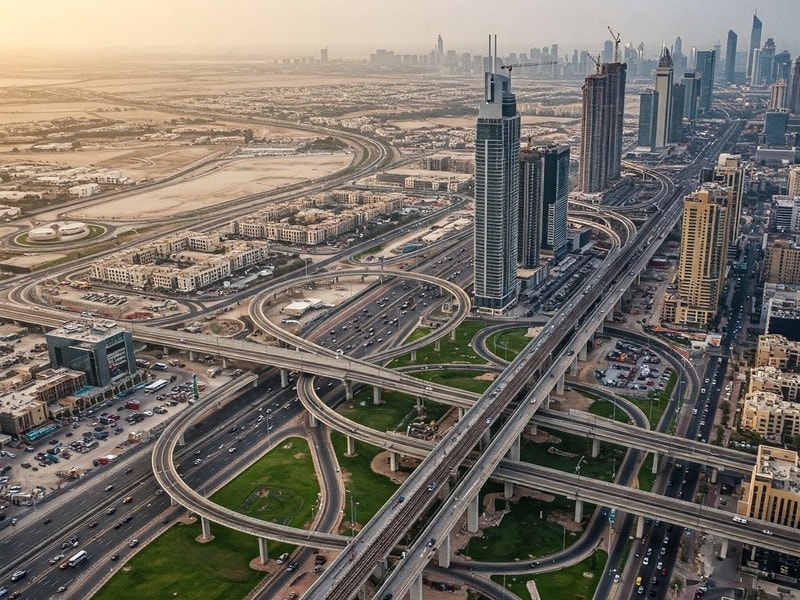
These projects add to the case for Dubai as a destination for real estate investment.
Upcoming Developments That Will Increase Property Values
- Dubai Urban Master Plan 2040: Expanding green spaces & smart city projects designed to improve livability
- New Metro Lines & Roads: Improving connectivity in high-demand areas
- Luxury & Sustainable Communities: Examples include The Valley, Tilal Al Ghaf, and Emaar Beachfront
- Expo City & Dubai Silicon Oasis Expansion: Attracting new businesses & residents
Ongoing developments and infrastructure projects are expected to support property values over the longer term. Together they mark a new phase for the market, one that is moving toward greater maturity.
Bottom Line: Dubai’s continuous development supports property values over the long term, which makes it a wealth-building opportunity for patient investors.
Market Fundamentals
Understanding the Core Elements of Dubai’s Real Estate Market
Economic growth, foreign investment and government support drive Dubai’s real estate market. Transparency is high and data is easy to access, so investors can compare deals with real figures. New technologies and services are launched regularly. Demand is strong, backed by a growing population and economy, and the market is moving into a more mature phase. Over the long term it is expected to contribute to the emirate’s success, though prices have been softer in 2026 and volumes and rents will follow the cycle. For international investors, the draw is stability, security and long-term growth and demand.
Strong Regulatory Framework & Investor Protection
Dubai’s real estate sector is highly regulated, which supports secure & transparent transactions for global investors.
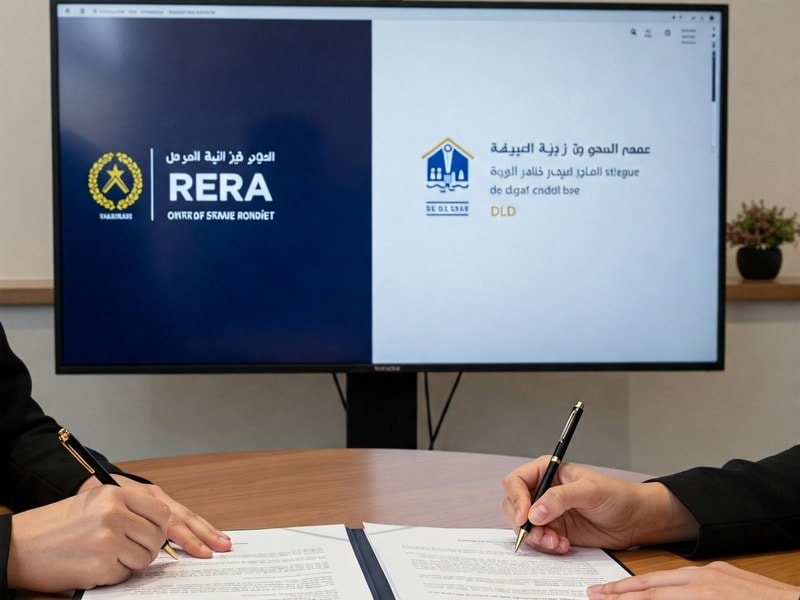
These regulations help properties in prime locations stay in high demand, which gives them consistent investment potential.
How Dubai Protects Real Estate Investors
- RERA (Real Estate Regulatory Agency) Guidelines: Protects buyers from fraud; see our guide on how to safeguard yourself from real estate scams in Dubai.
- Escrow Accounts for Off-Plan Properties: Ensures developers deliver projects on time. Buyer payments go into a project escrow account, and the developer can draw on it only as verified construction milestones are reached.
- Strict Rental Laws: Regulates rent increases & protects landlords/tenants.
- Dubai Land Department (DLD) Online Verification: Verify property ownership instantly, alongside a No Objection Certificate where the transaction requires one.
Always work with a licensed real estate company in Dubai to avoid legal issues.
Long-Term Growth & Market Sustainability
Dubai’s real estate market is built for long-term growth, which makes it one of the more reliable global property markets. Prices are about 3 to 4% below a year earlier in 2026, after rising roughly 65% over five years. A softer year after a run this strong is not unusual in a maturing market, and forecasts for the next decade vary widely.
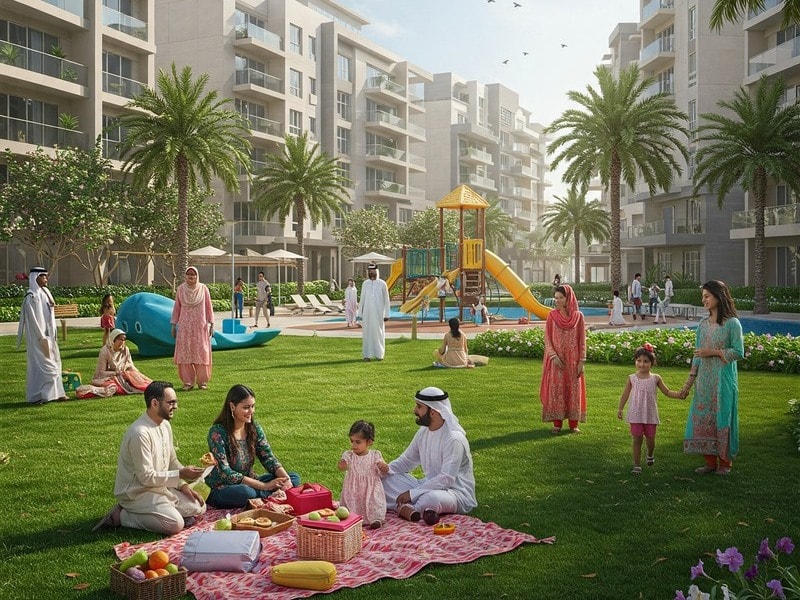
To protect your returns in this market, follow supply, rents and the regional situation, not headline prices alone.
What Supports Dubai’s Market Over the Long Term
- Expanding Population & Expat Demand: More people = More demand for homes.
- Government-Backed Real Estate Policies: Support price stability.
- Dubai’s Status as a Global Business Hub: Attracts long-term investors & renters.
- Staying up to date with the latest market trends and data is crucial for making informed investment decisions.
Bottom Line: Dubai’s market is built for long-term growth, which makes real estate a sound long-term investment for those who can hold through the cycle.
Should You Invest in Dubai Real Estate in 2026?
If you’re looking for a secure, high-return investment, Dubai remains one of the best global real estate markets. Current H1 2026 transaction data (AED 419.9 billion across roughly 112,850 registrations, about 3% below the first half of 2025) shows a market that is still active but slower than last year, which is a realistic backdrop for investors rather than a boom.
Looking to buy property in Dubai? Explore off-plan properties in Dubai & ready homes for sale. Want to rent out your property for passive income? Look at properties for sale in Downtown Dubai. Explore properties in Downtown Dubai.
FAQ’s
1. Is Dubai real estate a good investment in 2026?
Yes, Dubai real estate remains a top global investment in 2026 due to strong ROI, high rental yields, tax-free income, and long-term growth potential. H1 2026 DLD data shows AED 419.9 billion in registered transactions, about 3% below the first half of 2025, with a record January and a strong February followed by a slower spring after the regional conflict began. Demand has not gone away, but this is a slower phase than 2025. Areas like Dubai Marina, JVC, and Downtown Dubai offer some of the highest rental returns. Government-backed policies, Golden Visa opportunities, and extensive infrastructure support Dubai as a secure and profitable property market.
2. What are the best areas to invest in Dubai property in 2026?
Top-performing areas for property investment in Dubai in 2025 include the following. Investors may also want to consider proximity to attractions like Dubai’s best theme parks in 2025, which can add to property value and appeal to renters.
- Jumeirah Village Circle (JVC): 8% ROI on affordable apartments.
- Dubai Marina: 7.2% ROI on luxury apartments.
- Downtown Dubai: 6.5% ROI on high-end 2-bedroom flats.
- Business Bay: 6.8% ROI with strong off-plan potential.
- Palm Jumeirah: 5.5% ROI on luxury waterfront villas.
Other emirates also have attractive property investment opportunities, including Abu Dhabi, Ras Al Khaimah, Sharjah, and Umm Al Quwain, each with its own emerging and established markets.
3. What is the average ROI for Dubai real estate in 2026?
The average ROI for Dubai real estate in 2026 ranges from 5.5% to 8%, depending on location and property type. Affordable apartments in JVC deliver the highest returns (8%), while luxury properties in Palm Jumeirah yield around 5.5%. This puts Dubai among the top cities globally for rental yields and capital appreciation.
4. Why do investors prefer Dubai’s property market over other cities?
Investors prefer Dubai because it offers:
- Zero property tax & no capital gains tax
- UAE Golden Visa benefits for property buyers
- 100% foreign ownership in freehold areas
- High rental yields compared to London or New York
- Strong infrastructure & global connectivity
Taken together, these incentives make Dubai safer and more rewarding than many other global real estate hubs.
5. How does Dubai’s Golden Visa benefit property investors?
Property investors who purchase real estate worth AED 2 million or more qualify for the UAE 10-year Golden Visa. This provides long-term residency, the ability to sponsor family members, and improved investor security. It also widens the pool of foreign buyers, which adds to overall property demand.
6. What upcoming projects will increase property values in Dubai?
Major developments expected to support Dubai property values include:
- Dubai Urban Master Plan 2040: sustainable communities and green spaces.
- New Metro expansions: improved city-wide connectivity.
- Expo City Dubai & Silicon Oasis projects: attracting businesses and residents.
- Luxury communities like Emaar Beachfront & Tilal Al Ghaf.These projects are expected to support long-term capital appreciation and stable growth.
7. What legal protections exist for property buyers in Dubai?
Dubai provides strong buyer protection through:
- RERA regulations to prevent fraud.
- Escrow accounts for off-plan projects.
- Strict rent control laws for landlords & tenants.
- DLD online verification of property ownership.
Working with a licensed real estate company in Dubai ensures secure and transparent transactions.
8. Is buying off-plan property in Dubai in 2026 a good idea?
Yes, off-plan properties in Dubai remain a strong investment in 2026. They typically cost less than ready units and offer flexible payment plans. With escrow protection and strict developer regulations, buyers face lower risks. Areas like Business Bay and Dubai Creek Harbour have strong off-plan supply and capital appreciation potential.
9. What factors drive property value growth in Dubai?
Key factors behind Dubai’s property appreciation include:
- Stable economy & growing GDP
- Expanding expat population & housing demand
- Government-backed policies like 100% foreign ownership
- Major infrastructure projects
- Investor-friendly tax model (0% property tax)
- Diverse international investors, with significant foreign capital coming from countries such as Russia, further strengthening market resilience
Together, these drivers support value growth and long-term ROI for investors.
10. How does Dubai real estate compare to global property markets?
Dubai real estate offers higher ROI (5.5% to 8%) compared to global cities like London (3% to 4%) or New York (2% to 3%). Combined with no property taxes, Golden Visa benefits, and investor-friendly regulations, Dubai compares well with many established property markets on profitability and investor security.
11. Can foreigners buy property in Dubai in 2025?
Yes, foreigners can buy freehold property in designated areas across Dubai. Expats enjoy 100% ownership rights in these zones, with full resale and rental freedom. Popular freehold zones include Downtown Dubai, Dubai Marina, JVC, and Palm Jumeirah. This is a large part of Dubai’s appeal to global investors.
12. Should I buy a 2-bedroom flat in Dubai or invest in off-plan property?
A 2-bedroom flat in Dubai is ideal for high rental yields and consistent tenant demand, especially in Downtown and Marina. Meanwhile, off-plan properties are better for long-term capital appreciation and lower entry costs. Your choice depends on whether you want immediate rental income or future value growth.
Contact Splendor.ae today to talk through your case with an adviser.